

Making DC power distribution safe, reliable and scalable
As Solar PV, Battery Energy Storage, EV Charging, data centers and industrial systems increasingly rely on Direct Current, protection requirements are evolving. Mersen combines DC-rated fuses, fusegear, surge protection and protection coordination expertise to help make these architectures safe, reliable and scalable.
-
THE VISION
DC is not new: what’s new is the energy landscape
Electrification is accelerating across buildings, industry and infrastructure. At the same time, more generation, storage and end-use equipment operate internally in Direct Current. The result is a growing mismatch between increasingly DC-native energy systems and power networks still predominantly designed around AC distribution.
-
More energy starts and ends in DC
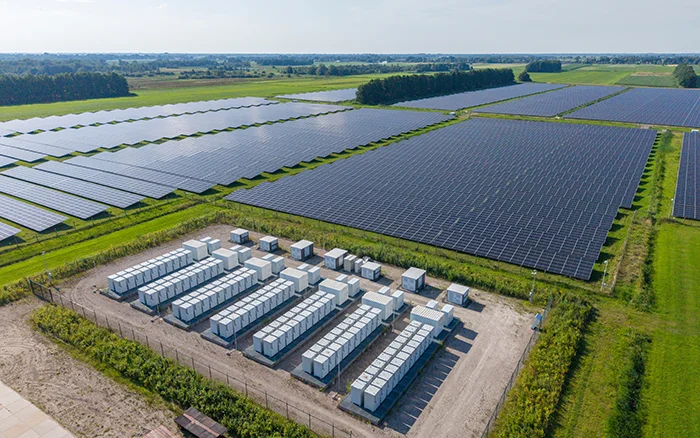
The way energy is generated, stored and consumed is evolving. Solar PV produces electricity in DC, batteries store energy in DC, and many rapidly growing applications, including EV charging, data centers, LED lighting and electronic equipment, ultimately operate in DC. As these technologies become increasingly widespread, Direct Current is taking a more important role across modern energy systems. This creates new opportunities to connect generation, storage and electrical loads through more direct and efficient power architectures.
-
But distribution remains predomintaly AC
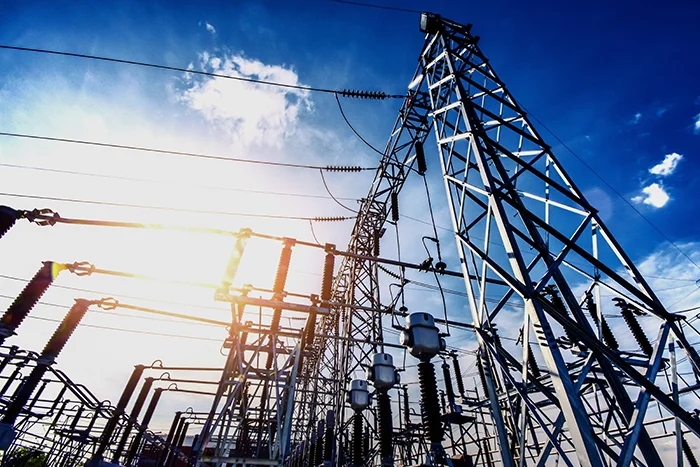
Most buildings, industrial facilities and electrical networks still distribute power in Alternating Current. Connecting DC generation, storage and end-use equipment therefore often requires several AC-to-DC and DC-to-AC conversion stages. Each conversion may introduce additional equipment, energy losses, heat, space requirements and system complexity. Although AC remains essential for many applications and for long-distance power transmission, some local energy systems could benefit from a more direct approach when their main sources and loads already operate in DC.
-
DC can create a more direct energy path
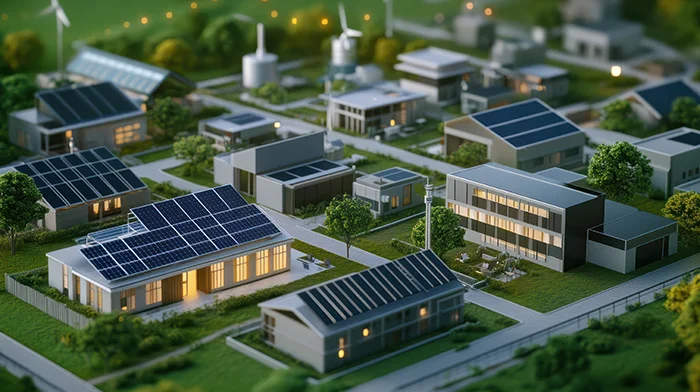
When electrical generation, storage and end uses already operate in DC, distributing power in Direct Current can reduce unnecessary conversion stages and simplify the overall energy path. Depending on the architecture, this can support higher efficiency, lower electrical losses, reduced infrastructure requirements and easier integration of renewable energy and battery storage. The objective is not to replace AC everywhere, but to identify the applications where DC provides clear technical, operational and economic value.
-
What changes in a DC system
DC changes the rules of electrical protection
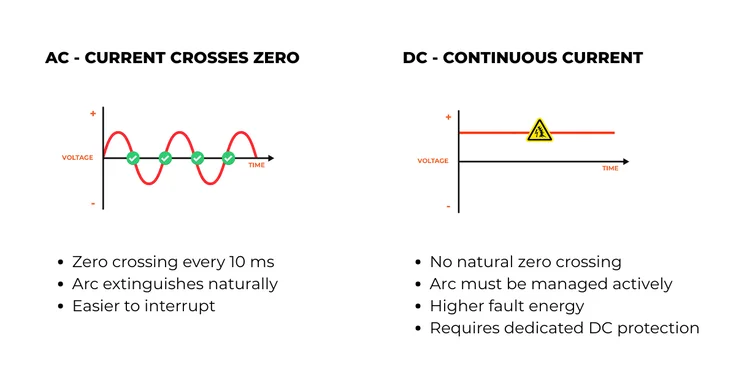
DC fault behavior differs from AC. With no natural current zero crossing, arcs can persist and protection devices must interrupt continuous current safely and predictably.
-
-
- DC-Rated Interruption - Breaking capacity and arc control designed for continuous current.
- Coordinated Selectivity - Isolate the fault while maintaining power to unaffected parts of the system.
- Bidirectional Protection - Account for fault current that can originate from generation, storage or converters.
- Voltage & Insulation Management - Coordinate voltage levels, polarity, insulation and grounding strategy across the architecture.
Mersen develops DC-rated protection technologies and application expertise to interrupt faults, limit fault energy and coordinate protection across DC architectures.
-
What a DC architecture delivers
-
Fewer conversion stages
Reduce repeated AC/DC conversion steps where generation, storage and loads already operate in DC. -
Lower energy losses
A shorter conversion chain reduces energy lost between source, storage and load -
More direct renewable integration
Connect Solar PV and Battery Energy Storage more directly to DC loads and local distribution.
-
-
-
Flexible energy flows
Enable generation, Battery Energy Storage and loads to exchange energy across a common local architecture.ve connection to renewable sources without conversion layers. -
Greater local resilience
Use local generation and storage to support continuity, backup and energy-management strategies.
-
-
Find the right DC solution for your application
-
01.
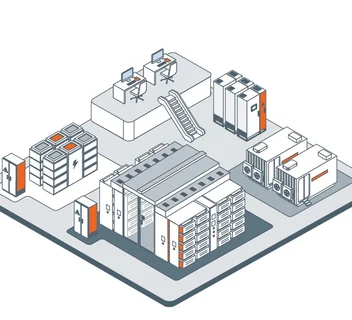
Data Center
-
01.
EV Charging

-
-
-
01.
Solar PV

-
DIRECT CURRENT
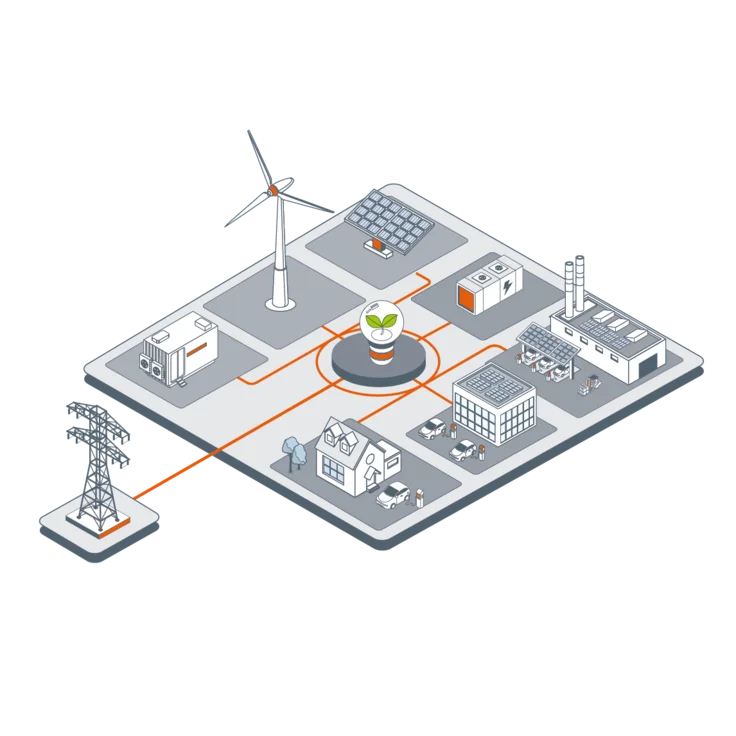
Where protection sits in the DC power chain
From generation and storage to conversion, distribution and loads, protection must be coordinated across the complete DC architecture. Explore where Mersen technologies contribute.
-
-
Mersen, your partner for what’s next!
From protection expertise to DC architecture support

Virginie Golicheff
VP Strategic Marketing
DC creates value where generation, storage and loads increasingly operate in Direct Current. Realising that value at scale requires more than efficient power flows; it requires protection solutions that support safety, reliability and continuity of service. Mersen combines DC protection technologies with application and coordination expertise to help make those architectures safe, reliable and scalable. Mersen has built DC protection expertise across Solar PV, Battery Energy Storage, EV Charging, buildings and critical power applications. We combine DC-rated components with expertise in fault interruption, selectivity, surge protection and coordination to support customers from early architecture choices through industrial deployment.
• 130+ years of electrical protection expertise
• 10+ years of DC protection experience
• Application / protection coordination expertise
• Participation in DC industry ecosystems -
THE PRODUCTS
Mersen DC protection solutions
-
01.
Bus bars

-
-
THE ECOSYSTEM
Building the rules, not just the products
Collaborating with Industry
Leaders on Current/OSMersen contributes protection and safety expertise to the Current/OS ecosystem, which brings together electrical manufacturers and industry stakeholders to define shared rules for DC distribution. The initiative addresses system safety, interoperability, voltage management, fault detection, disconnection and certification, helping customers move from individual pilot projects to scalable and replicable DC architectures.
Advancing DC technology for industry
The Open Direct Current Alliance brings together companies, research institutions and industry experts to accelerate the practical deployment of DC technology. Building on experience from industrial DC research projects and real-world installations, ODCA develops system concepts and shares knowledge for efficient, resource-conscious and reliable DC grids. Mersen contributes its protection expertise to support the development of safe and scalable industrial DC applications.
Supporting the evolution of data center power
The Open Compute Project brings together hyperscalers, equipment manufacturers and technology providers to develop open solutions for next-generation data center infrastructure. As AI drives higher rack power density, the OCP community is working on high-voltage DC architectures, including 800VDC distribution, to reduce current, conductor requirements and power-delivery complexity. Mersen’s DC protection expertise is relevant to the fault interruption, coordination and isolation requirements created by these emerging architectures.

-
Q&A
-
Why is direct current becoming relevant again?
Solar PV, battery storage, EV charging, data centers and many modern electrical loads already generate, store or consume power in Direct Current. In suitable applications, distributing power in DC can reduce repeated AC/DC conversion stages, simplify the power architecture and support more direct integration of renewable energy and storage.
-
What are the main benefits of DC distribution?
Depending on the application and system architecture, DC distribution can reduce conversion stages and energy losses, simplify the integration of solar PV and batteries, lower conductor requirements and reduce the number of intermediate power-conversion components. It can also support more resilient local energy systems by coordinating generation, storage and critical loads on a common DC infrastructure.
-
Why does DC protection require purpose-built components?
DC fault dynamics differ fundamentally from AC. Direct Current has no natural current zero crossing, which means electrical arcs can persist and fault energy must be interrupted deliberately. Purpose-built DC fuses, surge protective devices and disconnectors are designed and tested to manage these conditions safely, limit fault energy and support reliable protection coordination.
-
How Is protection coordinated in a DC system with multiple sources?
In a DC system combining solar generation, batteries, converters and grid coupling, fault current may come from several sources and flow in different directions. Protection devices must therefore be coordinated across every source and load branch so that the device closest to the fault operates first. Appropriate device selection, current limitation and system-level coordination help isolate the affected section while maintaining operation elsewhere in the system.
-
Why does DC fault behavior differ from AC - and why does it matter? Why must DC faults be cleared faster?
In DC, fault current rises very fast and does not experience natural zero crossings, so arcs can persist and energy can be higher for a given time.
Protection must therefore detect and clear faults much faster, and devices must be designed to interrupt DC arcs safely.
Coordination between multiple sources and converters is more critical, because electronic sources can limit or sustain currents in complex ways.
-
-
Get in touch
Designing a DC Power Architecture?
Whether you are developing a data center, Battery Energy Storage system, EV Charging infrastructure, industrial microgrid or another DC application, Mersen experts can help you identify the right protection architecture and technologies.


News
Related news

Tradeshows
Data Center World Asia

Tradeshows